Eco-Friendly Approaches: How E-Waste Recycling Services Are Preserving Our Planet
E-waste poses significant threats to the environment, as disposed electronics frequently harbor hazardous substances. These hazardous substances can contaminate soil and water, causing extensive damage to surrounding ecosystems. Electronic waste recycling programs offer an effective remedy. They successfully retrieve useful resources while simultaneously minimizing environmental pollution. Comprehending the operation of these services and their influence on communities is of great importance. The journey towards effective e-waste management raises critical questions about individual responsibility and collective action. What steps can be taken next?
How E-Waste Is Hurting the Planet
Although technological advancements improve contemporary living, e-waste poses serious threats to the environment. Disposed electronic equipment, often containing hazardous materials such as cadmium, lead, and mercury, are capable of seeping pollutants into the surrounding soil and water supply, creating hazards for ecosystems and human health. The swift progression of technology results in greater consumer replacement of electronic devices, exacerbating the accumulation of electronic waste.
Landfills, already burdened with waste, struggle to accommodate the growing volumes of discarded gadgets. Burning, an alternative disposal approach, discharges toxic contaminants into the air, worsening overall air quality. Furthermore, inadequate recycling methods can result in the shipment of electronic waste to underdeveloped nations, where workers may break down equipment without proper protective measures, putting themselves at risk of exposure to hazardous materials. This ongoing cycle of carelessness and inadequate management emphasizes the pressing necessity for responsible recycling initiatives that can lessen the harmful consequences of e-waste on our world.
What Is E-Waste and Why Does It Matter?
Electronic waste, commonly known as e-waste, encompasses unwanted electronic equipment including televisions, computers, and smartphones that have reached the end of their useful life. This growing category of waste is significant due to its rapid accumulation, fueled by innovation in technology and shifting consumer habits. With an increasing number of devices reaching obsolescence, the toll on the environment grows more severe, with harmful substances like lead, mercury, and cadmium presenting serious hazards to the environment and human well-being.
The importance of addressing e-waste lies not only in mitigating these hazards but also in recognizing the valuable materials it contains. Critical metals and rare earth components can be reclaimed and recycled, decreasing the reliance on mining and protecting natural resources. With a thorough understanding of e-waste and its impact, people and organizations alike can make educated decisions about disposal and recycling, helping to build a more sustainable world. Effective handling of e-waste is vital for encouraging a circular economy and advancing environmental responsibility.
The Way E-Waste Recycling Functions
Recycling e-waste involves a structured approach designed to recover valuable materials while limiting ecological damage. At the outset, e-waste is collected and transported to specialized recycling facilities. After reaching the facility, the devices undergo thorough sorting to isolate dangerous parts from recoverable materials.
Following this, employees take apart the products, removing plastics, metals, and glass. This phase is essential, as it enables the extraction of rare metals like silver, gold, and copper, which can be recycled in new electronic products.
Subsequently, the divided materials are handled with advanced techniques, such as mechanical shredding and chemical processing, to cleanse them for further use.
In the final step, the leftover hazardous materials are disposed of responsibly, complying with eco-friendly standards. This systematic method not only saves important resources but also reduces the dangers linked to irresponsible electronic waste disposal, securing a more eco-conscious future for electronic device usage.
The Benefits of E-Waste Recycling for You and Your Community
Though many people are unaware, the advantages of e-waste recycling go far beyond individual benefit and actively shape entire communities. By responsibly disposing of electronic waste, individuals contribute to a safer environment, minimizing hazardous materials that can seep into soil and water. This responsible method actively safeguards local ecosystems and advances public health.
Moreover, electronic waste recycling supports employment opportunities within local communities. Local recycling facilities often require personnel for numerous tasks, including collection and processing, consequently creating meaningful employment for community members. This not only stimulates the local economy but also inspires community dedication to sustainable efforts.
In addition, understanding of e-waste recycling has the potential to generate educational initiatives, empowering residents to adopt eco-friendly choices. By engaging with e-waste recycling programs, individuals foster a culture of sustainability, inspiring others to join the movement. Overall, the combined impact of these actions can lead to a more sustainable and conscientious community.
Tips for Choosing an E-Waste Recycling Service
Picking the right e-waste recycling service is vital for guaranteeing that electronic refuse is handled responsibly and sustainably. Initially, people should confirm the company's credentials, such as R2 and e-Stewards certifications, which signify compliance with industry standards for responsible recycling methods. Additionally, it is advisable to examine the company's standing by reading customer reviews and obtaining recommendations from trusted sources.
Moreover, openness in the recycling process is crucial. A dependable provider should provide clear information Try it free about the manner in which e-waste is managed and what happens to the materials. Additionally, considering the scope of services provided can prove valuable; some companies may provide pickup services or offer incentives for recycling.
Ultimately, being aware of area-specific requirements for e-waste disposal can help inform the selection process. Through focusing on these key aspects, individuals can contribute to responsible e-waste disposal alongside encouraging eco-friendly habits.
How You Can Get Involved in E-Waste Recycling?
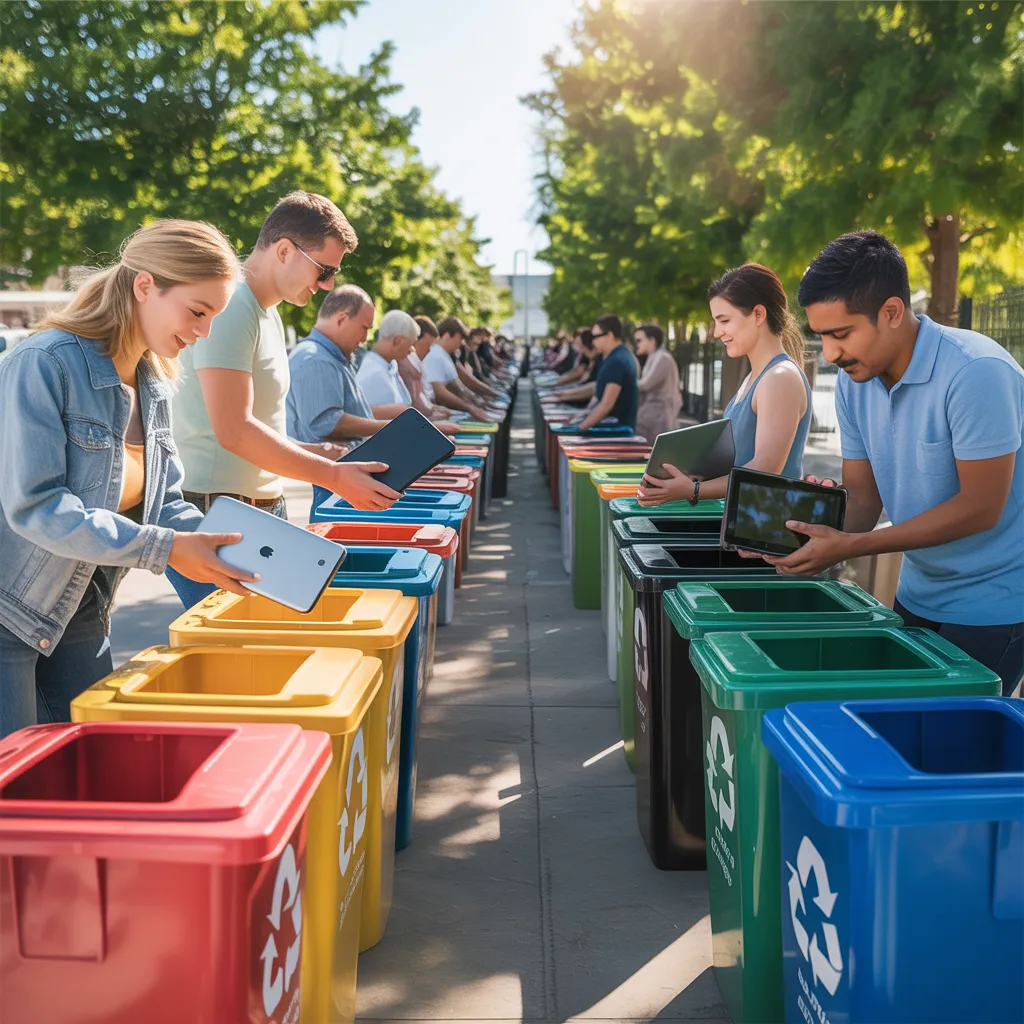
Participating in e-waste recycling can start at the local level, where recycling centers frequently offer essential services for proper disposal. Additionally, joining community awareness campaigns can amplify efforts to raise awareness about the importance of ethical e-waste practices. These initiatives not only encourage sustainable practices but also foster a collective sense of stewardship of the environment.
Local Recycling Centers
A wide range of neighborhood recycling stations serve a vital function in recycling electronic waste, offering communities convenient opportunities to dispose of electronic waste responsibly. These stations receive a variety of digital devices, including old computers, smartphones, and televisions, verifying that toxic materials are disposed of safely. Most centers are equipped with knowledgeable personnel who support individuals in understanding proper disposal practices, highlighting the value of recycling rather than landfilling. In addition, many centers offer organized drop-off opportunities or appointed collection periods, making participation convenient for residents. Through the use of these community services, people help build a circular economy, decreasing environmental damage and advancing sustainable approaches. Working alongside these hubs enables communities to combat e-waste pollution successfully.
Community Education Campaigns
Community groups, educational institutions, and companies can collaborate to host events that promote e-waste collection drives. Volunteers can play a pivotal role in spreading awareness, distributing educational materials, and engaging with the community. Through these collective efforts, community members grow more knowledgeable and inspired to dispose of their electronics responsibly, thus playing a meaningful role in creating a more environmentally responsible future.
Questions We Often Receive
What Types of Electronics Can Be Recycled?
Numerous electronics are able to be recycled, including computers, smartphones, televisions, laptops, gaming consoles, and printers. In addition, peripherals such as batteries, keyboards, and mice are equally appropriate for recycling, aiding in environmental conservation efforts.
Are There Any Costs Associated With E-Waste Recycling?
That's correct, e-waste recycling can include fees, subject to the service provider. Some facilities charge fees for pickup or handling, while others offer free services, frequently supported by the proceeds from salvaged materials.
How Can Businesses Benefit From E-Waste Recycling?
Companies can take advantage of e-waste recycling by lowering disposal expenses, strengthening their ecological standing, meeting compliance standards, extracting valuable resources, and creating potential earnings via resale, thereby fostering a more environmentally responsible business approach.
What Happens to Data on Recycled Devices?
Details from recycled devices is commonly irretrievably wiped or obliterated during processing. This confirms sensitive information remains secure, stopping improper access while allowing materials to be repurposed securely and sustainably within new applications.
Is It Possible to Recycle Damaged Electronics?
Indeed, broken electronics can be recycled. Numerous collection points process defective devices, guaranteeing responsible disposal and extraction of recoverable materials. This helps reduce the environmental footprint while supporting eco-friendly recycling methods to address electrical waste responsibly.